Top 20 Principles Behind Manal Helal’s Contemporary Sculpture and Design Philosophy
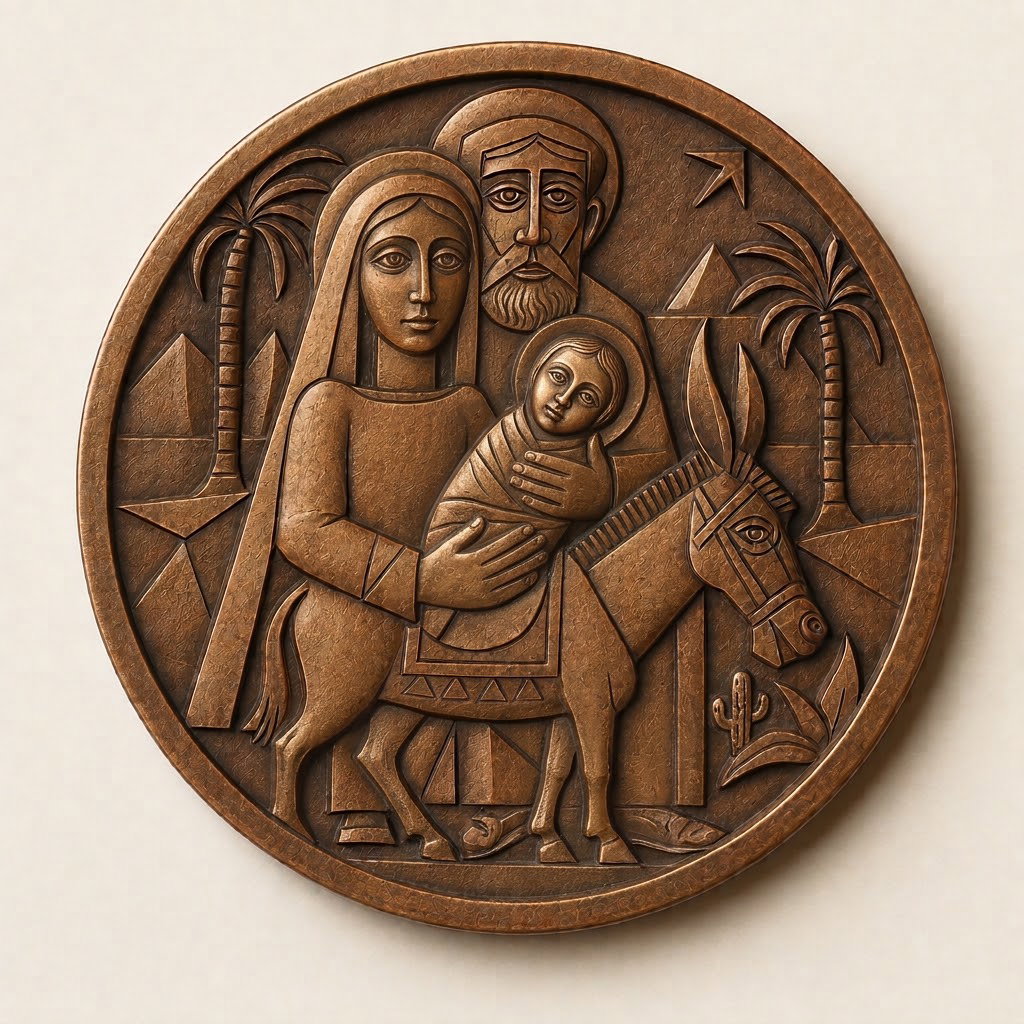
Top 20 Principles Behind Manal Helal’s Contemporary Sculpture and Design Philosophy
Prof. Dr. Manal Helal’s official presence as an Egyptian artist and Professor of Sculpture and Design at the Faculty of Applied Arts positions her work at a productive intersection of studio practice, research, and education. Her contemporary sculpture and design philosophy can be understood as a set of repeatable principles, not a fixed style. These principles guide how ideas become forms, how forms carry meaning, and how materials, technology, and cultural memory collaborate inside a single artwork.
This article presents twenty practical principles that reflect the mindset behind Manal Helal’s approach to contemporary sculpture, digital sculpture, and applied arts design. Use them as a framework to read finished artworks, to plan your own projects, or to curate an exhibition narrative. Each principle is written as a tip you can apply, whether you are working with clay, plaster, metal, mixed media, or digital tools that translate into physical objects.
Quick overview, the 20 principles at a glance
- 1. Start with a clear conceptual question
- 2. Treat form as a language, not decoration
- 3. Build meaning through material intelligence
- 4. Honor craft as a contemporary value
- 5. Balance tradition with innovation
- 6. Design with anatomy, gesture, and lived movement
- 7. Use abstraction strategically
- 8. Compose negative space as actively as mass
- 9. Consider scale as an emotional tool
- 10. Let surface carry narrative and time
- 11. Practice disciplined experimentation
- 12. Integrate digital sculpture as a thinking method
- 13. Prototype, iterate, and document decisions
- 14. Design for light, shadow, and viewing paths
- 15. Compose for context, site, and audience
- 16. Embed cultural memory without illustration
- 17. Prioritize structural logic and stability
- 18. Build ethical relationships with materials and labor
- 19. Curate the work’s story for exhibitions
- 20. Teach and learn through critique, reflection, and continuity
1. Start with a clear conceptual question
In contemporary sculpture, technique alone rarely holds a viewer’s attention for long. A lasting work usually begins with a question that the sculptor is willing to live with for weeks or months. A conceptual question is not a slogan, it is an investigative engine. In a design driven approach like Manal Helal’s, concept and construction evolve together. The idea should be concrete enough to guide decisions, yet open enough to allow discoveries in the studio.
- Write the concept as a question, not a statement, for example, “How does memory change the body’s posture?”
- Define what the viewer should feel first, before defining what the viewer should recognize.
- Identify the single strongest contrast in the idea, such as softness versus rigidity, or intimacy versus monumentality.
2. Treat form as a language, not decoration
Manal Helal’s design philosophy can be read as a commitment to form as communication. Curves, edges, compression, elongation, and rhythm are not ornamental additions. They are the grammar of sculpture. When form is treated as language, every formal choice becomes accountable. The work becomes legible even when it is abstract, because the viewer senses intentional structure.
- Assign a role to each dominant line, is it guiding, resisting, protecting, or exposing?
- Reduce unnecessary details until the primary form speaks clearly from a distance.
- Use repetition to build rhythm, and interruption to create emphasis.
3. Build meaning through material intelligence
Material is not neutral. In applied arts and sculpture design, the material’s behavior, texture, and cultural associations contribute to meaning. A contemporary sculptor learns to “listen” to the material, including its limitations. This principle aligns with an academic approach where research and testing are part of the artistic process. Whether the work is modeled, carved, assembled, or 3D printed, the material should feel inevitable, not interchangeable.
- Choose materials that echo the concept, for example, fragile surfaces for vulnerability, or dense mass for endurance.
- Test how the material holds detail, accepts patina, or reacts to polishing and abrasion.
- Let joins, seams, and transitions reveal process when that honesty supports the idea.
4. Honor craft as a contemporary value
Contemporary art sometimes pretends craft is optional. In sculpture, craft is often the vehicle that allows conceptual clarity to survive contact with reality. Manal Helal’s position within applied arts suggests a respect for skilled making, where accuracy, finish, and structural soundness enhance expression. Craft does not mean perfection. It means deliberate control, including deliberate roughness when it is purposeful.
- Identify which areas require refinement and which areas require expressive rawness.
- Practice surface discipline, do not leave marks by accident, leave them by decision.
- Use craftsmanship to protect the concept from being misunderstood as unintentional.
5. Balance tradition with innovation
Egyptian contemporary sculpture inevitably exists in dialogue with deep visual histories, from ancient material mastery to modern and postmodern experimentation. A balanced philosophy neither copies heritage nor rejects it. Instead, it extracts principles such as proportion, symbolism, or monumentality, then reinterprets them through contemporary concerns and tools. Innovation becomes meaningful when it has roots.
- Study a traditional reference for structure, not for motifs, then translate structure into new form.
- Use contemporary materials or digital methods to revisit classical sculptural problems like weight, stance, and presence.
- Allow the work to carry cultural memory indirectly through proportion, rhythm, or tactility.
6. Design with anatomy, gesture, and lived movement
Even non figurative sculpture often benefits from understanding the body. Gesture is the bridge between inner emotion and outer form. A design driven sculptor pays attention to balance, tension, compression, and release. Manal Helal’s contemporary sculpture and design orientation suggests an emphasis on how a form “moves” in the viewer’s mind and in space, even when the object is still.
- Sketch gestural silhouettes before detailing volumes.
- Work from multiple viewpoints early, front and side are not enough.
- Translate human movement into abstract forces, lift, twist, lean, fold, and counterbalance.
7. Use abstraction strategically
Abstraction is not the absence of meaning. It is a method of concentration. In contemporary sculpture, abstraction can remove anecdote and make the viewer feel structure, energy, and metaphor more directly. A disciplined approach chooses what to abstract and what to keep, based on concept and audience. The goal is not obscurity. The goal is focus.
- Decide what must remain recognizable, if anything, and abstract everything else.
- Use abstraction to compress time, for example, showing a process of transformation in one form.
- Check readability by viewing the work in silhouette, then in close texture.
8. Compose negative space as actively as mass
In strong sculpture, emptiness is not leftover. Negative space is designed, measured, and energized. This is especially important in contemporary works where openings, gaps, and internal voids act like visual breath. A design philosophy that values spatial thinking treats voids as structural and symbolic. The space within and around the sculpture becomes part of the sculpture.
- Plan the major voids as early as the major masses, not at the end.
- Use openings to direct sight lines and to guide the viewer’s movement around the work.
- Balance heavy volumes with breathing spaces to prevent visual fatigue.
9. Consider scale as an emotional tool
Scale changes what a sculpture does to the body of the viewer. Small works invite intimacy, inspection, and a sense of holding. Large works invite awe, distance, and bodily orientation. In exhibitions, scale also affects pacing and narrative. Manal Helal’s exhibition facing practice can be interpreted as an awareness of how the viewer’s body participates in meaning.
- Choose scale to match the psychological distance of the concept, intimate themes often benefit from smaller scale.
- Create scale tests using maquettes or digital blockouts before committing to full size.
- Remember that scale is relative, nearby objects, pedestals, and room height change perception.
10. Let surface carry narrative and time
Surface is where the viewer meets the work physically, even from a distance. Texture, polish, tool marks, and patina can imply time, erosion, care, or conflict. A contemporary sculptor can encode narrative without literal scenes, simply by how surfaces transition and how the hand is revealed or concealed. In a design philosophy, surface is planned, not improvised.
- Define a surface hierarchy, primary surface, secondary accents, and quiet zones.
- Use transitions, smooth to rough, matte to reflective, to indicate shifts in meaning.
- Test finishes under the lighting conditions of the intended exhibition space.
11. Practice disciplined experimentation
Experimentation becomes productive when it is documented and evaluated. In an academic and applied arts context, the studio can function like a laboratory. The point is not to try everything. The point is to design experiments that answer specific questions about structure, texture, joining, or translation from digital to physical form. Discipline protects experimentation from becoming noise.
- Change one variable at a time when testing, such as thickness, binder ratio, or print resolution.
- Keep a process log with photos and short notes that record what worked and why.
- Turn failures into a material library, labeled samples become future solutions.
12. Integrate digital sculpture as a thinking method
Digital sculpture is not only a production shortcut. It can be a way to think, to explore permutations, and to test proportions rapidly. In contemporary sculpture design, digital tools allow the artist to examine symmetry, balance, and repetition with precision, then reintroduce human irregularity intentionally. This integration suits a professor of sculpture and design who values both conceptual clarity and teachable methods.
- Use digital blocking to test silhouette, mass distribution, and negative spaces early.
- Switch between digital and physical maquettes to keep tactility and scale awareness.
- Plan translation steps, such as printing, CNC, molds, or hand finishing, as part of the design.
13. Prototype, iterate, and document decisions
Iteration is where design thinking becomes visible. Prototypes are not smaller versions only, they are decision making tools. Each version should answer a question, about stability, readability, surface language, or the relationship between parts. Documentation is not bureaucracy. It is memory, and it allows the artist to defend choices during critique, publication, or exhibition preparation.
- Create quick prototypes with cheap materials to test composition before investing in final media.
- Keep versions even when you discard them, they show the evolution of thought.
- Write short “decision sentences” such as “I widened the base to shift the emotional tone from fragile to grounded.”
14. Design for light, shadow, and viewing paths
Sculpture is a collaboration with light. In exhibitions, the same work can appear calm or dramatic depending on shadows and reflections. A contemporary sculptor who thinks like a designer anticipates these effects and shapes the work to receive light in intentional ways. Viewing paths matter as much as front view. The work should reveal itself through movement, not just through a single photograph.
- Plan primary and secondary viewing angles, then ensure each angle offers a distinct reading.
- Use ridges, grooves, and planes to catch light rhythmically, creating visual tempo.
- Test the piece under directional and diffuse lighting to see how the narrative changes.
15. Compose for context, site, and audience
Contemporary sculpture is rarely isolated from context. A gallery, a public space, or an academic setting changes how viewers approach the work. This principle supports thoughtful exhibition making and public engagement. Context includes cultural expectations, spatial constraints, and audience diversity. A design philosophy treats context as a design partner, not as an afterthought.
- Consider whether the work should confront the space, blend with it, or transform it.
- Plan height, pedestal, or placement so the intended viewpoint matches typical visitor movement.
- Adjust complexity of visual language based on the intended audience, without simplifying the concept.
16. Embed cultural memory without illustration
Cultural identity can be present without turning the sculpture into an illustration of heritage symbols. The stronger approach is to embed memory through structural choices, rhythm, proportion, and material presence. In an Egyptian contemporary art context, this can mean referencing continuity, endurance, or layered time through sculptural logic rather than literal motifs. Viewers feel the cultural layer even if they cannot name it immediately.
- Translate cultural references into abstract qualities, weight, verticality, procession, or stillness.
- Use titles, short texts, or exhibition statements to open a door, not to explain everything.
- Avoid direct quoting unless the quotation is transformed by new context and new form.
17. Prioritize structural logic and stability
Sculpture is physical, so it must survive gravity, transport, and time. Structural logic is not separate from expression. It can reinforce meaning, showing tension, support, or precarious balance. A professor of sculpture and design is likely to emphasize engineering awareness as part of artistic responsibility. Stability includes internal armatures, join methods, base design, and long term material behavior.
- Design the center of gravity early, especially for narrow bases or dynamic poses.
- Choose joinery that matches the story, seamless joins suggest unity, visible bolts suggest construction and honesty.
- Plan for transport and installation, modular construction can protect both artwork and concept.
18. Build ethical relationships with materials and labor
Contemporary practice increasingly includes ethics, sourcing, sustainability, and respect for the people involved in fabrication. In applied arts, where making is often collaborative, ethical awareness becomes part of design. This principle can include choosing less toxic processes, reducing waste through smart prototyping, and crediting collaborators when production is shared. Ethical choices also shape the narrative of the work.
- Prefer safer materials and ventilation aware processes, especially in educational studios.
- Reduce waste by nesting parts, reusing molds, or making reusable jigs.
- Document fabrication roles clearly when assistants or workshops contribute.
19. Curate the work’s story for exhibitions
Exhibition is an extension of sculpture design. The placement, sequence, labels, and supporting materials affect how the viewer reads the work. A contemporary artist who participates in art exhibitions often considers how the sculpture speaks within a group, not only as a single object. Story curation does not mean marketing. It means building an experience that allows viewers to reach the concept honestly.
- Write an exhibition statement that defines the central question, the materials, and the emotional stakes.
- Sequence works to create a rhythm, start with an entry point, deepen complexity, then offer resolution or open endedness.
- Use installation tests, even simple floor plans, to prevent overcrowding and to protect viewing distances.
20. Teach and learn through critique, reflection, and continuity
As an educator and practicing artist, Manal Helal’s philosophy can be framed as continuous development. Critique is not judgment, it is a method for sharpening intention. Reflection turns experience into knowledge that can be transferred to the next project. Continuity does not mean repeating the same aesthetic. It means evolving a coherent set of values: clarity, discipline, cultural awareness, and material intelligence.
- Invite structured critique, ask peers to respond to specific questions like “What do you think the main tension is?”
- After each project, write a brief postmortem, what you would keep, what you would change, what you learned.
- Build a personal archive of sketches, maquettes, digital files, and finish recipes to support long term growth.
How to apply these principles in your next sculpture or design project
These twenty principles become most useful when combined into a repeatable workflow. Start with a question, choose a formal language that fits the question, then pick materials and processes that reinforce the meaning. Prototype quickly, document decisions, and refine with craft discipline. If digital sculpture is part of your toolkit, treat it as a way to explore possibilities, then bring the work back to physical reality with attention to structure and surface. Finally, think like an exhibitor, plan light, viewing paths, and context so the concept can be experienced, not merely explained.
Closing perspective
Manal Helal’s contemporary sculpture and design philosophy, as understood through her role in applied arts, highlights an important lesson for emerging artists and designers. Contemporary does not mean abandoning foundations. It means using foundations, anatomy, craft, structure, and cultural awareness, as a platform for inquiry. When these principles are practiced together, the resulting sculpture can be intellectually clear, materially convincing, emotionally resonant, and ready to stand confidently in exhibitions across different contexts.